Neurowellness: A Grounded Look at Light, Oxygen, and PEMF for Brain Health
The Global Wellness Institute named neurowellness one of its defining trends for 2026, and most of the coverage so far has focused on stress and the nervous system: breathwork, vagus nerve stimulators, and sleep tracking. That's real, and it matters, but it's only part of the picture. A parallel, less talked about thread inside neurowellness is aimed squarely at the brain itself: cognitive function, memory, and the tools people are using to try to protect both as they age or recover from injury.
This article sticks to that second thread. It looks at what the clinical research actually measured when red light, hyperbaric oxygen, and PEMF were tested specifically for cognitive outcomes, not mood or sleep. Some of it is genuinely encouraging. Some of it comes from small pilot studies that need to be read for exactly what they are. The goal here is to lay out both clearly enough that you can make an informed decision.
What Neurowellness Means for Cognitive Health Specifically
Brain aging and stress regulation are related, but they're not the same thing, and it's worth separating them clearly. Nervous system regulation is mostly about the autonomic balance between sympathetic and parasympathetic activity: how quickly you calm down after a stressful moment. Cognitive neurowellness is a different target: memory, processing speed, attention, and executive function, along with the slower, cumulative question of how the brain ages and recovers from injury over months and years.
That distinction matters because the tools below are being studied for measurable cognitive outcomes on standardized tests, such as the Montreal Cognitive Assessment (MoCA) or tests of processing speed and memory, not just self reported calm or sleep quality. It's a higher, more specific bar, and it's worth knowing where the evidence genuinely clears it and where it doesn't yet.
What the Research Shows
Red and Near-Infrared Light for Cognitive Function
Transcranial photobiomodulation (t-PBM) uses red or near-infrared light aimed at the head rather than the body, and it's a distinct application from the full body red light panels used for skin and muscle recovery.
A 2022 systematic review in the Journal of Biophotonics, examining 35 human studies published between 1987 and 2022, found that 29 of the 35 studies (about 83%) reported measurable cognitive improvement following t-PBM. The most encouraging pattern showed up in the studies most relevant to aging: all 9 studies involving participants with memory complaints, mild cognitive impairment, or dementia reported positive outcomes, as did 7 of 8 studies in traumatic brain injury patients. The authors' overall conclusion was that t-PBM “seems to improve cognitive function” across memory, attention, executive function, and language, while also noting that only about half the trials reviewed were randomized, meaning the field still needs more rigorous confirmation (ScienceDirect).
A more recent, tightly controlled example backs that pattern up. A randomized trial published in Frontiers in Neurology in 2025 tested daily 30-minute sessions of 630 nanometer red light, delivered through an LED helmet, five days a week for three months, in 82 stroke patients with post-stroke cognitive impairment. Compared to the control group, the treated group showed significantly greater improvement on the MoCA (a 3.48 point average difference, p = 0.002) and the Mini-Mental State Examination (a 3.36 point average difference, p = 0.002), along with a meaningful reduction in depression symptoms. No treatment related adverse events were reported (Frontiers in Neurology).
Hyperbaric Oxygen and Cognitive Recovery After Brain Injury
Hyperbaric oxygen therapy's best established use is wound healing, but a separate, growing body of research has looked specifically at cognitive recovery after traumatic brain injury and concussion, where oxygen delivery to injured brain tissue appears to matter directly.
A randomized, prospective, crossover trial published in PLOS ONE enrolled patients an average of one to six years past a mild traumatic brain injury, well outside the window most people assume recovery is still possible. Of the 56 patients included in the final analysis, those receiving 40 sessions of hyperbaric oxygen (five days a week, 60 minutes each, at 1.5 ATA) showed statistically significant improvement across four cognitive domains: information processing speed (p < 0.0001), memory (p < 0.0005), executive function (p < 0.0005), and attention (p < 0.005). Critically, the crossover group showed no significant improvement during their untreated control period, which is what let researchers attribute the gains to the treatment itself rather than time or practice effects. SPECT brain imaging also showed increased activity in frontal and temporal regions that corresponded with the cognitive gains, giving the subjective improvement some objective backing (PLOS ONE).
That's a meaningfully different finding from the cellular aging research on hyperbaric oxygen (the telomere length study covered in our hyperbaric therapy guide). This is a specific, injury focused cognitive result, using the same clinical style protocol, not the milder at home chambers most consumer devices offer. As with the aging research, that gap between the clinical study protocol and an at home mild chamber is worth keeping in mind.
PEMF and Early Alzheimer's Research
This is the earliest stage evidence of the three, and it deserves to be framed that way from the start. Most consumer PEMF research and marketing focuses on pain, sleep, and the vagus nerve. The cognition specific research is much thinner, but a small line of study is worth knowing about.
A pilot study published in Frontiers in Aging Neuroscience treated 8 patients with mild to moderate Alzheimer's disease using a head mounted electromagnetic device (915 MHz) for one hour a day over two months. Researchers reported improvement on the ADAS-cog cognitive assessment, particularly in immediate recall, along with gains on standard memory tests. The more novel finding was in blood and cerebrospinal fluid samples: inflammatory cytokines that started too high moved down, and cytokines that started too low moved up, both converging toward a normal range, a pattern the researchers described as immune “rebalancing” rather than a simple across the board increase or decrease (Frontiers in Aging Neuroscience).
The authors were direct about the limits of their own study: 8 participants, no placebo control group, and results that need replication in a larger trial before anyone should treat them as settled. It's a genuinely interesting early signal, not proof, and it's a good example of how neurowellness marketing can outrun a study's actual size and design if you're not reading the fine print.
Choosing the Right Brain Health Tool
Transcranial Red Light Devices, for a well documented, growing evidence base
Of the three categories here, transcranial red and near-infrared light has the largest number of studies behind it, including a genuinely well controlled recent randomized trial with a meaningful sample size.
Key things to know:
• The research protocols used head directed devices, not full body panels. A full body red light panel uses the same underlying wavelengths but hasn't been tested the same way for cognitive outcomes specifically.
• The strongest results came from consistent, months long use (daily or near daily sessions for two to three months), not occasional sessions.
• People with memory concerns, mild cognitive impairment, or a history of brain injury saw the most consistent positive results across the studies reviewed, though none of this replaces medical evaluation or treatment.
Hyperbaric Chambers, for a longer term, higher commitment recovery protocol
Hyperbaric oxygen has the most clinically rigorous cognitive research of the three, but also the biggest gap between the protocol studied and what an at home mild chamber can offer.
Key things to know:
• The cognitive recovery study used a clinical grade protocol (40 sessions, five days a week, at 1.5 ATA), which is a bigger time and equipment commitment than a typical at home wellness routine.
• Most consumer soft shell chambers run at lower pressure than the research protocol, so expectations should be calibrated accordingly, just as with the aging research covered in our dedicated hyperbaric guide.
• This is a reasonable option to discuss with a doctor for anyone specifically recovering from a documented brain injury or concussion, rather than a general “brain boost” purchase.
See our Hyperbaric Chambers and how a recovery focused protocol might fit your routine. Hyperbaric Chambers — Clinical & Commercial
PEMF Devices, for an early stage, lower commitment addition
PEMF is the newest and least proven of the three for cognitive outcomes specifically, so it's best positioned honestly, as a low effort tool worth watching rather than a settled solution.
Key things to know:
• The cognition focused research so far comes from a single small pilot study. It's promising, but it's not the kind of evidence that supports strong claims.
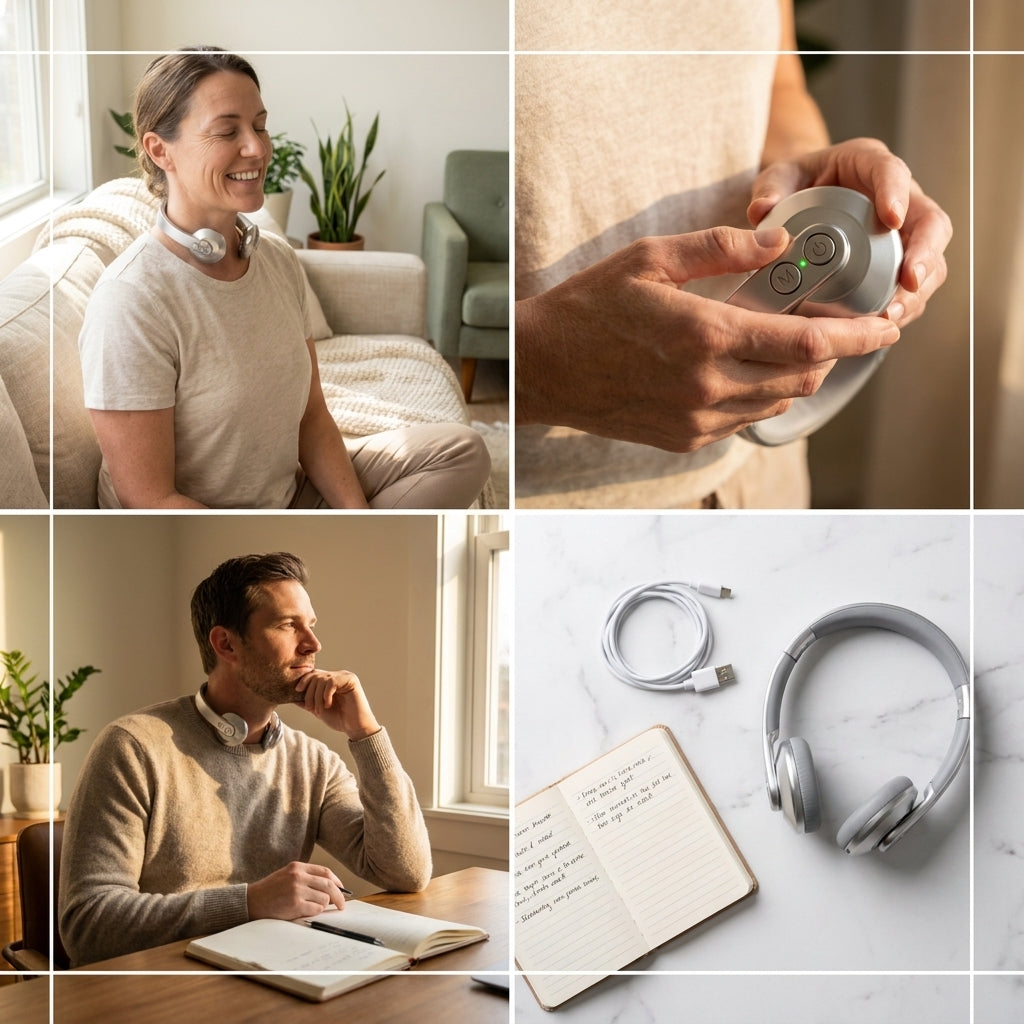
• PEMF devices require no special setup beyond turning them on, which is part of their appeal as a passive, easy to maintain habit.
• Anyone with a pacemaker or other implanted electronic device should not use PEMF therapy without their doctor's guidance.
Browse our PEMF Devices to add a low effort layer to your wellness routine. Recovery Therapy
Frequently Asked Questions
Is neurowellness the same thing as nervous system regulation?
They overlap but aren't identical. Nervous system regulation is mostly about calming the sympathetic stress response and supporting recovery day to day. The brain health side of neurowellness covered here is about memory, processing speed, and cognitive recovery from injury or aging, measured on standardized cognitive tests rather than stress or sleep scores.
Can any of these tools treat or prevent dementia?
No. None of the studies referenced here were designed or sized to prove a treatment or prevention effect for diagnosed dementia, and none of these tools are a substitute for medical care. The most encouraging results, especially the PEMF pilot study, came from very small samples that need to be replicated before any stronger claim would be responsible.
Which of the three has the strongest evidence?
Transcranial red light and hyperbaric oxygen both have larger, more rigorously controlled studies behind them, including randomized trials with meaningful sample sizes and objective measures like brain imaging. PEMF's cognition specific research is real but very early, based on a single small pilot study.
Do I need a special device, or will my regular red light panel or PEMF mat work the same way?
Not necessarily. The strongest cognitive research used head directed devices (an LED helmet for the light studies, a head mounted emitter for the PEMF study), not full body panels or mats. If cognitive support is your specific goal, it's worth knowing that a general recovery device hasn't been tested the same way.
How long before I'd expect to notice anything?
The studies that showed measurable cognitive change used consistent daily or near daily sessions over two to three months, not a single session or a week of use. None of this is a quick fix, and the research doesn't support expecting fast results.
Who should talk to a doctor before starting?
Anyone managing a diagnosed cognitive condition, recovering from a documented brain injury, living with a seizure disorder, or using an implanted electronic device like a pacemaker should talk to their doctor before starting any of these therapies, and should treat this guide as background information rather than a treatment plan.
A Grounded Next Step
Neurowellness is a genuinely useful reframe for a category that's often sold on vague promises: the goal isn't just to feel calmer, it's to support the brain's actual function and recovery over time, and there's real, if still developing, research behind red light, hyperbaric oxygen, and PEMF on that specific front. Red light and hyperbaric oxygen currently have the more rigorous evidence, PEMF the most room to grow.
If you're trying to figure out which of these, if any, makes sense for your goals and your routine, we're happy to help you think it through.
Shop our full collection of brain health and recovery products Recovery Therapy
This article is for general educational purposes and is not a substitute for professional medical advice. Red light therapy, hyperbaric oxygen therapy, and PEMF are complementary wellness practices, not treatments for dementia, Alzheimer's disease, or any diagnosed neurological condition. Please consult your physician before starting any of these therapies, especially if you have a diagnosed cognitive or neurological condition, a seizure disorder, an implanted electronic device, or are recovering from a recent brain injury.
Further Reading & Sources
• Global Wellness Institute, Global Wellness Summit Releases 10 Wellness Trends for 2026