Cryo & Cold Therapy: There is Clarity in the Shiver
Cold exposure has moved from a niche athletic recovery tool to one of the most talked-about practices in modern wellness. Cold plunge tubs, whole-body cryotherapy chambers, and targeted cold therapy devices are now everyday tools for people managing inflammation, muscle recovery, stress, and sleep — not just elite athletes chasing a competitive edge.
But cold therapy has also become one of the most overhyped categories in wellness, with bold claims circulating far ahead of the evidence. So this guide takes a grounded look: what cold and cryo therapy actually do in the body, what the research supports (and where it's still catching up), and how to think about which tool — a cryotherapy chamber, a cold plunge tub, or a targeted cold therapy device — fits your goals.
What Happens in the Body When You Get Cold
Cold exposure triggers a cascade of physiological responses, and understanding them helps explain why cold therapy shows up across so many different wellness goals.
Vasoconstriction and circulation. Cold causes blood vessels near the skin to constrict, redirecting blood flow toward your body's core. When you warm back up, those vessels dilate again, creating a “flush” of circulation. This cycle is part of why cold therapy is associated with reduced swelling and puffiness in the treated area.
Inflammatory signaling. Cold exposure influences the body's inflammatory response, though the picture is more nuanced than most marketing suggests. A 2025 meta-analysis of 11 randomized controlled trials on whole-body cryotherapy, published in Scientific Reports, found that it measurably lowered one pro-inflammatory marker (IL-1β) and raised an anti-inflammatory one (IL-10) — but had no significant effect on two other common inflammatory markers (IL-6 and TNF-α). In other words, cryotherapy's anti-inflammatory effect appears real but selective, not a blanket “shuts off inflammation” switch.
Norepinephrine and the nervous system. Cold exposure reliably triggers a surge in norepinephrine, a hormone and neurotransmitter tied to alertness and focus. This is one of the more consistently replicated findings in cold exposure research and is a major reason people report feeling sharp and energized after a cold plunge.
The nuance worth knowing. Not every popular claim about cold therapy holds up equally well. A widely cited 2025 analysis covering over 3,000 participants, summarized by Harvard Health, found reduced stress markers (though the effect took about 12 hours to appear) and better sleep quality in men — but no consistent evidence that cold water immersion boosts mood or immune function across the board, despite how often those benefits are marketed. This doesn't mean cold therapy isn't valuable; it means the honest picture is more specific than “cold fixes everything,” and it's worth setting expectations accordingly.
How Cold Therapy Can Support Specific Concerns
Muscle recovery and soreness
This is the area with the strongest evidence base. A Cochrane systematic review found “some evidence that cold-water immersion reduces delayed onset muscle soreness after exercise compared with passive interventions,” though the review notes the optimal protocol isn't yet well established. If your primary goal is faster-feeling recovery after workouts, cold therapy has more research behind it here than almost anywhere else.
One important caveat: cold therapy used within about four hours of strength training may blunt some of the inflammatory signaling your muscles need to adapt and grow, according to guidance highlighted by the Cleveland Clinic. If muscle-building is a primary goal, timing your cold sessions away from your lifting window is worth considering.
Stress, alertness, and mental clarity
The norepinephrine surge triggered by cold exposure is closely tied to the “sharp, clear-headed” feeling many people report immediately after a session. Longer-term stress reduction also has some support — the same Harvard-highlighted analysis found reduced stress markers after cold water immersion, even though the timeline was delayed rather than immediate.
Sleep
Evidence here is genuinely mixed and worth stating honestly: research summarized by Harvard Health found improved sleep quality in men after cold water immersion, but not in women. If sleep is your main goal, cold therapy may be worth experimenting with, but it shouldn't be your only tool.
Circulation and everyday recovery
The vasoconstriction-then-flush cycle cold exposure creates is the mechanism most consistently cited for reduced puffiness, swelling, and that “reset” feeling — whether that's a full cold plunge after a long day on your feet or a localized cold tool on a tired area.
Choosing Your Cold Therapy Tool
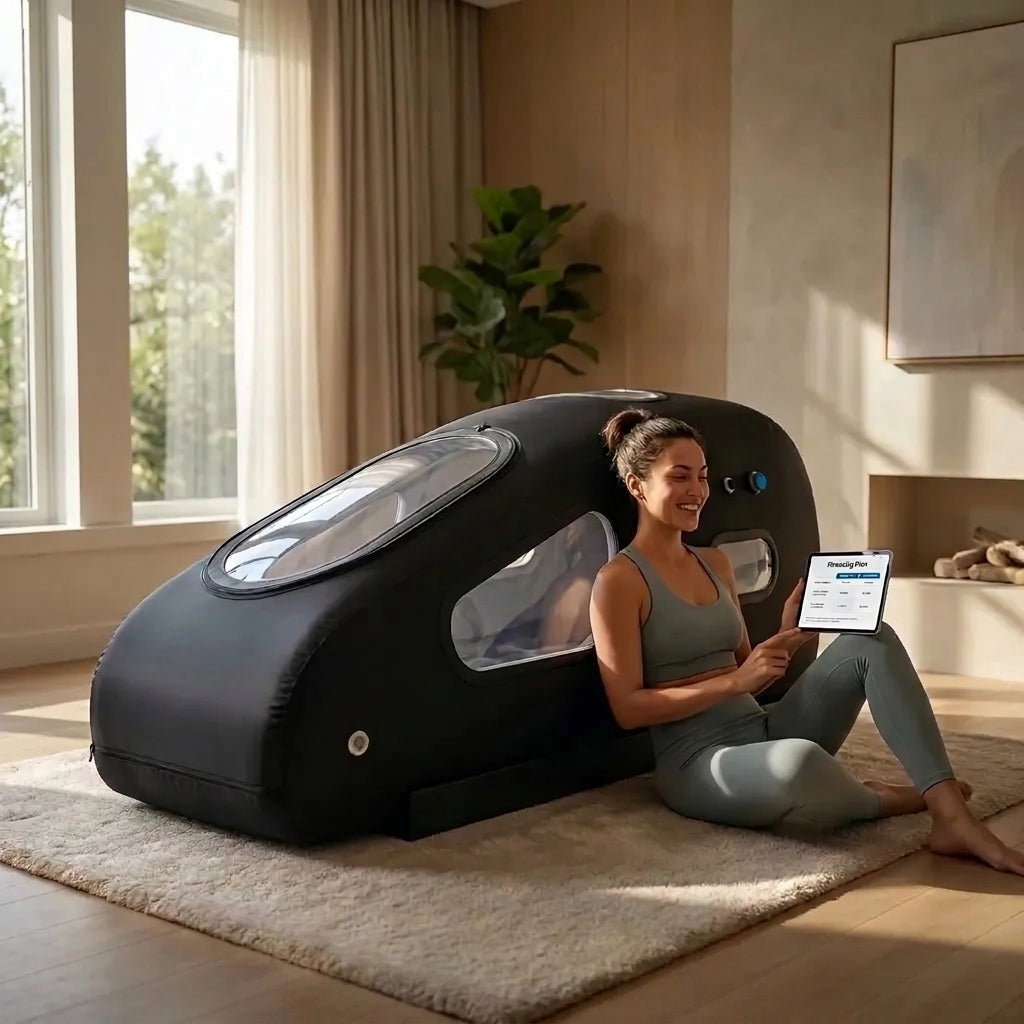
Whole-Body Cryotherapy Chamber — for a fast, dry, full-body reset
A cryotherapy chamber exposes your body to extremely cold, dry air for a short session, rather than immersion in water. It's the format behind the inflammation research described above, and it's popular for people who want the physiological effects of cold exposure without the logistics of filling and chilling a tub.
Key things to know:
• Sessions are brief — typically 2–3 minutes — because the dry air allows for a more intense but shorter exposure than water immersion.
• No soaking or drying off afterward, which makes it one of the more time-efficient cold therapy options.
• Best suited for people who want a quick, structured session as part of a broader recovery routine rather than a longer, immersive experience.
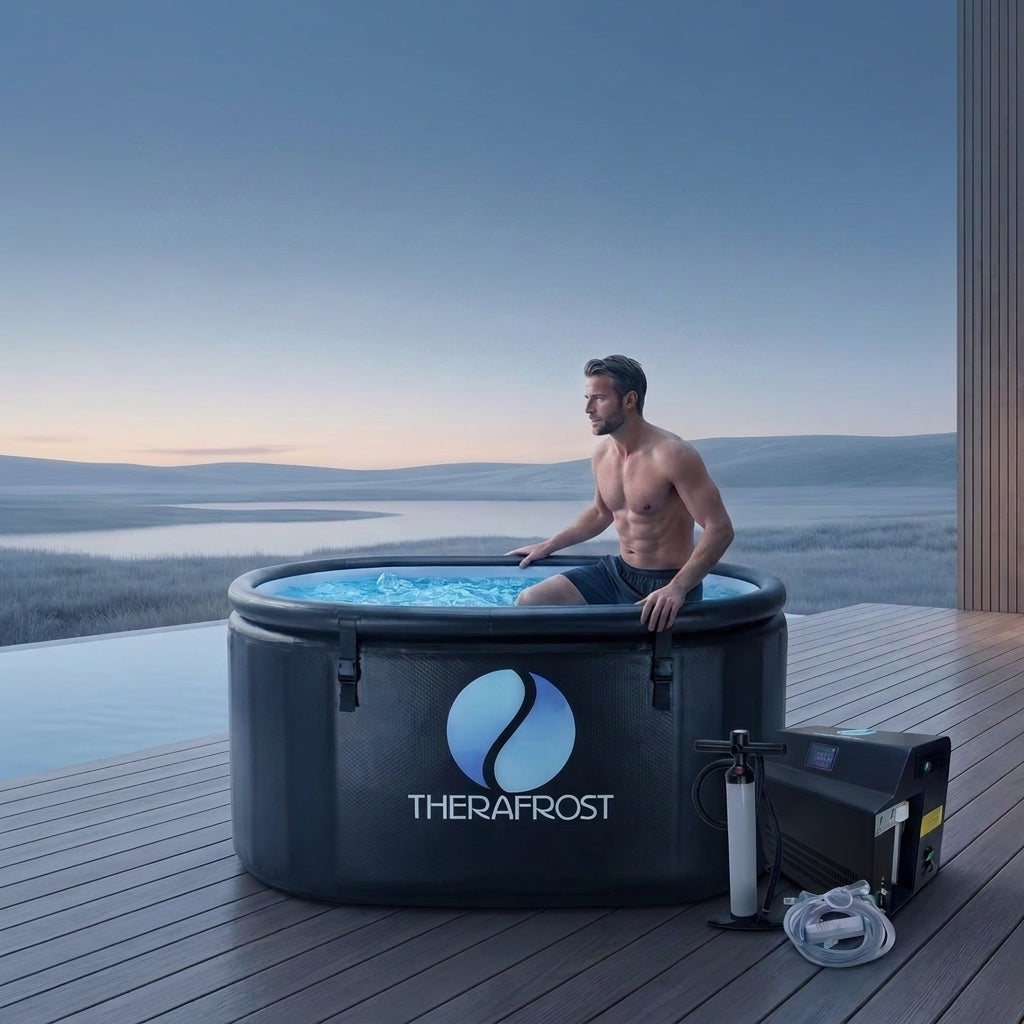
Cold Plunge Tub — for a longer, more immersive reset
A cold plunge tub uses chilled water immersion, generally held for longer than a cryotherapy chamber session. This is the format behind most of the muscle-recovery and stress-reduction research described above, and it's the most popular entry point for people building an at-home cold therapy habit.
Key things to know:
• Beginners generally start in the 50–59°F range for shorter sessions (1–2 minutes), working up to longer sessions as tolerance builds; water colder than 40°F carries meaningfully higher risk and isn't necessary for most people's goals.
• Always warm up gradually afterward rather than jumping straight into a hot shower or sauna.
• If you have a cardiovascular condition, high blood pressure, or are pregnant, check with your doctor before starting — cold water immersion places real stress on the cardiovascular system.
Targeted Cold Therapy Tools — for everyday, localized relief
Not every cold therapy goal calls for a full-body session. Targeted tools — cold rollers, cryo facial devices, and localized ice therapy tools — apply the same vasoconstriction-and-flush mechanism to a specific area, whether that's a tired lower back, puffy under-eyes, or an overworked joint.
Key things to know:
• These tools are typically the lowest-commitment way to add cold therapy to a daily routine — no tub or chamber setup required.
• Because the effect is localized, they're a good complement to (not necessarily a replacement for) full-body cold therapy.
• Session length varies by device and area but is generally just a few minutes.
Frequently Asked Questions
Is cold therapy a treatment for a medical condition?
No. Cold plunges, cryotherapy chambers, and targeted cold tools are wellness and recovery aids, not medical treatments, and they aren't a substitute for care from your doctor. If you're managing a diagnosed condition, talk to your healthcare provider about whether cold therapy fits safely into your routine.
How cold does the water actually need to be?
Colder isn't automatically better. Most guidance points to a 50–59°F range as a reasonable starting point, with sessions kept short (1–2 minutes for beginners). Going below 40°F increases risk without clear added benefit for most people's goals.
Will cold therapy interfere with my workouts?
It can, depending on timing. Cold exposure right after strength training may blunt some of the inflammatory response your muscles use to adapt and grow. If building muscle is a priority, consider using cold therapy on rest days or several hours away from training rather than immediately after lifting.
Is cryotherapy or cold plunging better for recovery?
Both work through similar mechanisms, but most of the peer-reviewed recovery research has focused on cold water immersion specifically. Cryotherapy chambers offer a faster, drier alternative with a growing (though still developing) evidence base of their own. Neither is definitively “better” — the right choice often comes down to which format fits your time and space.
Who shouldn't do cold plunges or cryotherapy?
People with heart disease, uncontrolled high blood pressure, poor circulation, Raynaud's phenomenon, or who are pregnant should talk to a doctor before starting. Cold exposure places real, immediate stress on the cardiovascular system, and safety guidance is consistent on easing in gradually rather than starting with long or extremely cold sessions.
Does cold therapy actually boost mood and immunity, like I've heard?
The honest answer is: the evidence is weaker than the marketing suggests. Large recent analyses have found reduced stress markers and improved sleep in some groups, but no consistent evidence of a broad mood or immune boost. That doesn't mean people don't feel better after a session — many do — but it's worth going in with realistic expectations rather than treating cold therapy as a cure-all.
A Grounded Next Step
Cold therapy isn't a shortcut or a miracle — it's a tool with real, evidence-backed uses, particularly for muscle recovery, circulation, and that sharp, reset feeling so many people come back for. Whether that looks like a quick cryotherapy chamber session, a longer cold plunge, or a targeted tool for a specific area, the best approach is the one that fits your goals, your body's response, and your routine.
If you're not sure where to start, reach out — we're happy to help you figure out which cold therapy option makes the most sense for you.
This article is for general educational purposes and is not a substitute for professional medical advice. Please consult your physician before starting cold water immersion or cryotherapy, especially if you are pregnant, have a cardiovascular condition, or are managing a chronic illness.
Further Reading & Sources
• Cleveland Clinic — Health Benefits of Cold Plunges
• Harvard Health — Research Highlights Health Benefits from Cold-Water Immersions
• Mayo Clinic Health System — Cold-Water Plunging Health Benefits
• Cochrane — Cold-Water Immersion for Preventing and Treating Muscle Soreness After Exercise